Operations & Port Captaincy
Port Captaincy, Heavy Lift & Project Cargo
On-site supervision and oversight for complex and high-value operations. Eyes on the quay, accountability on the line.
The difference between a good operation and a bad one is rarely the equipment. It is who is accountable when the plan meets the quay.
What actually changes
Same crane. Different headache.
Most heavy lift operations fail the same way: the equipment is right, the paperwork is signed, and nobody with actual command experience is physically present when it matters. The crane operator does his job. The stevedores do theirs. And the gap between what was planned and what happens on the quay belongs to no one.
That gap is where I work. Not from an office, not on a call, but on-site, in the operation, with full accountability for what happens.
I have served as Staff Master and Port Captain on vessels handling project cargo across multiple corridors. I have coordinated complex heavy lift operations, managed cargo intake at ports with no margin for error, and stood in as the senior operational presence when the stakes were too high for a checklist and a phone number.
What I bring is not a report after the fact. It is a decision-maker in the operation, before things go wrong.
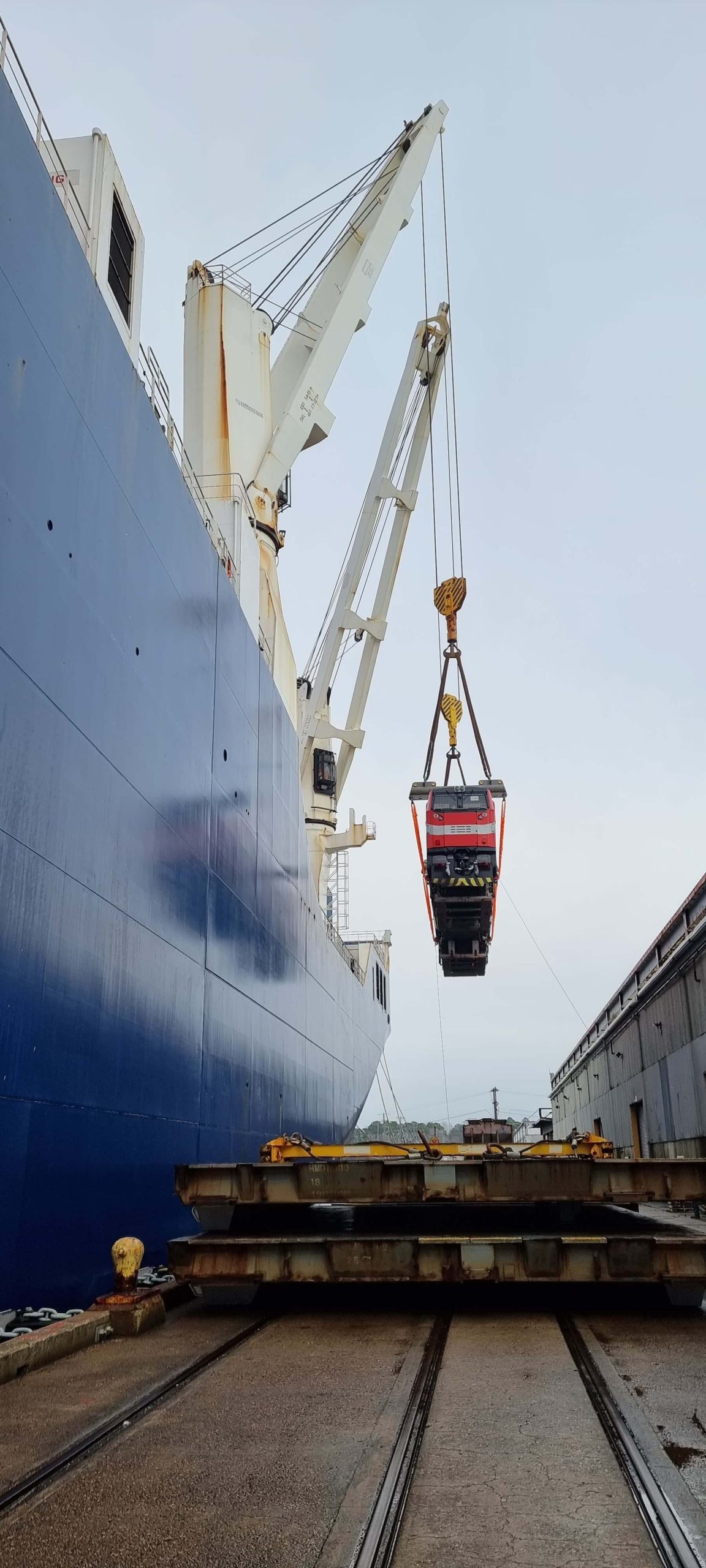
Heavy lift, Atlantic corridor
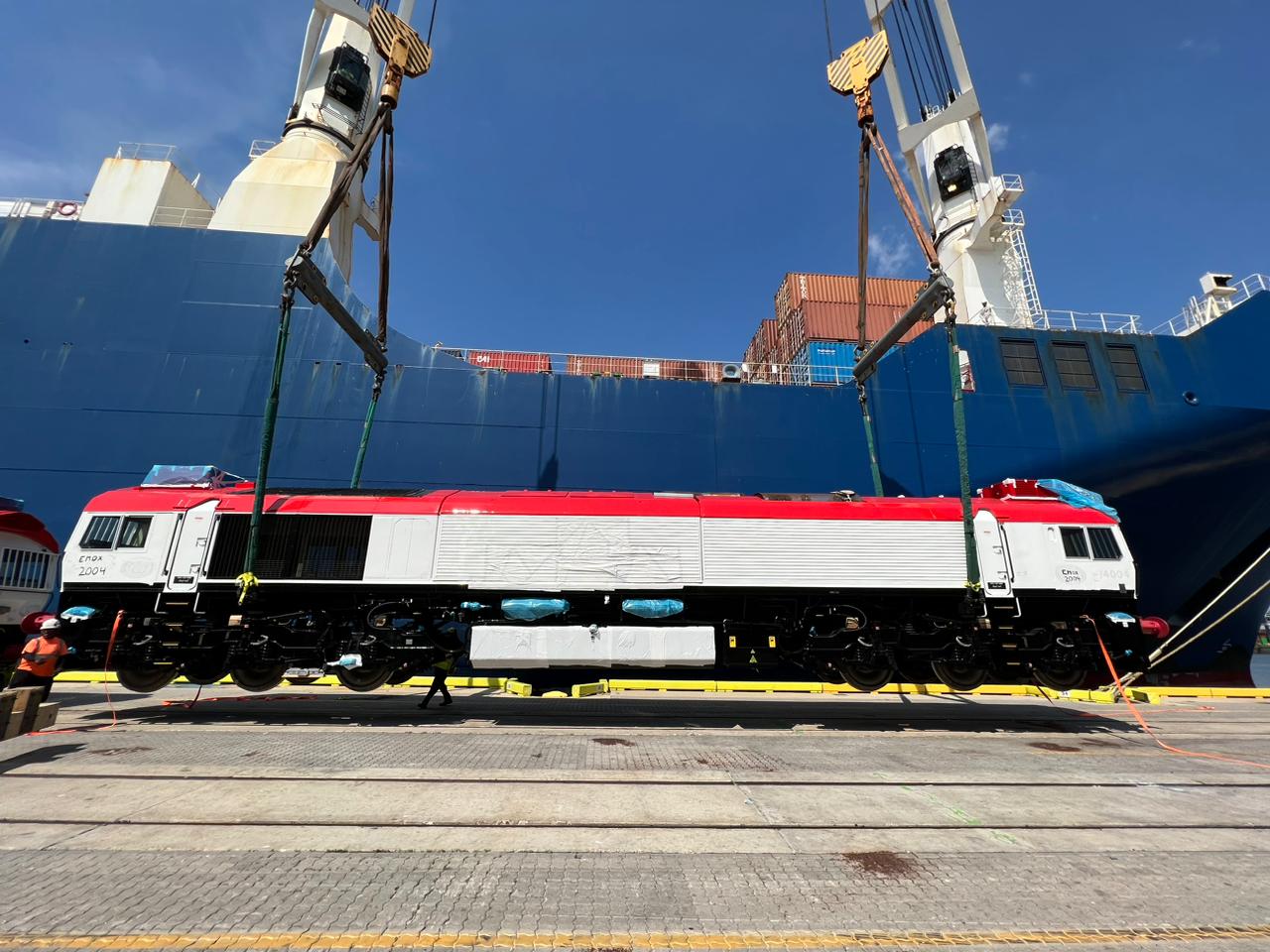
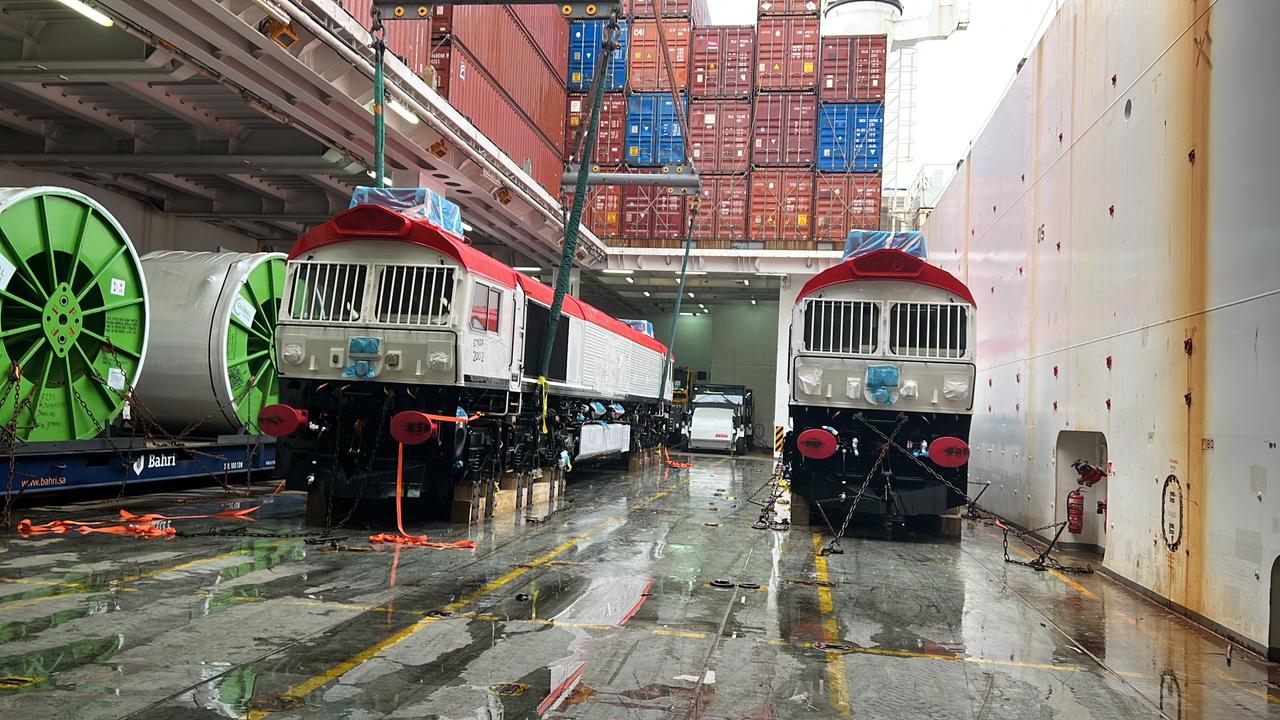
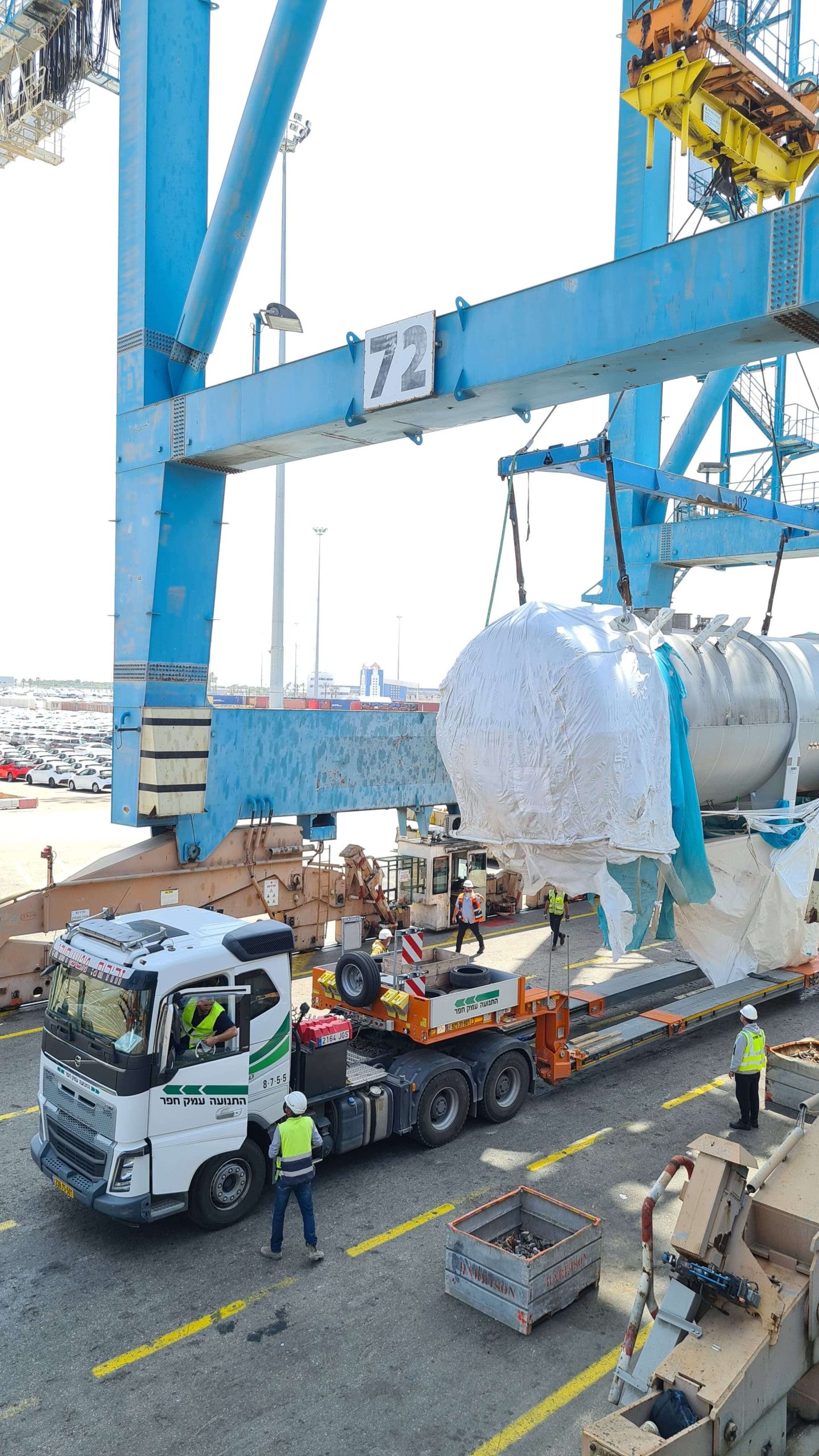
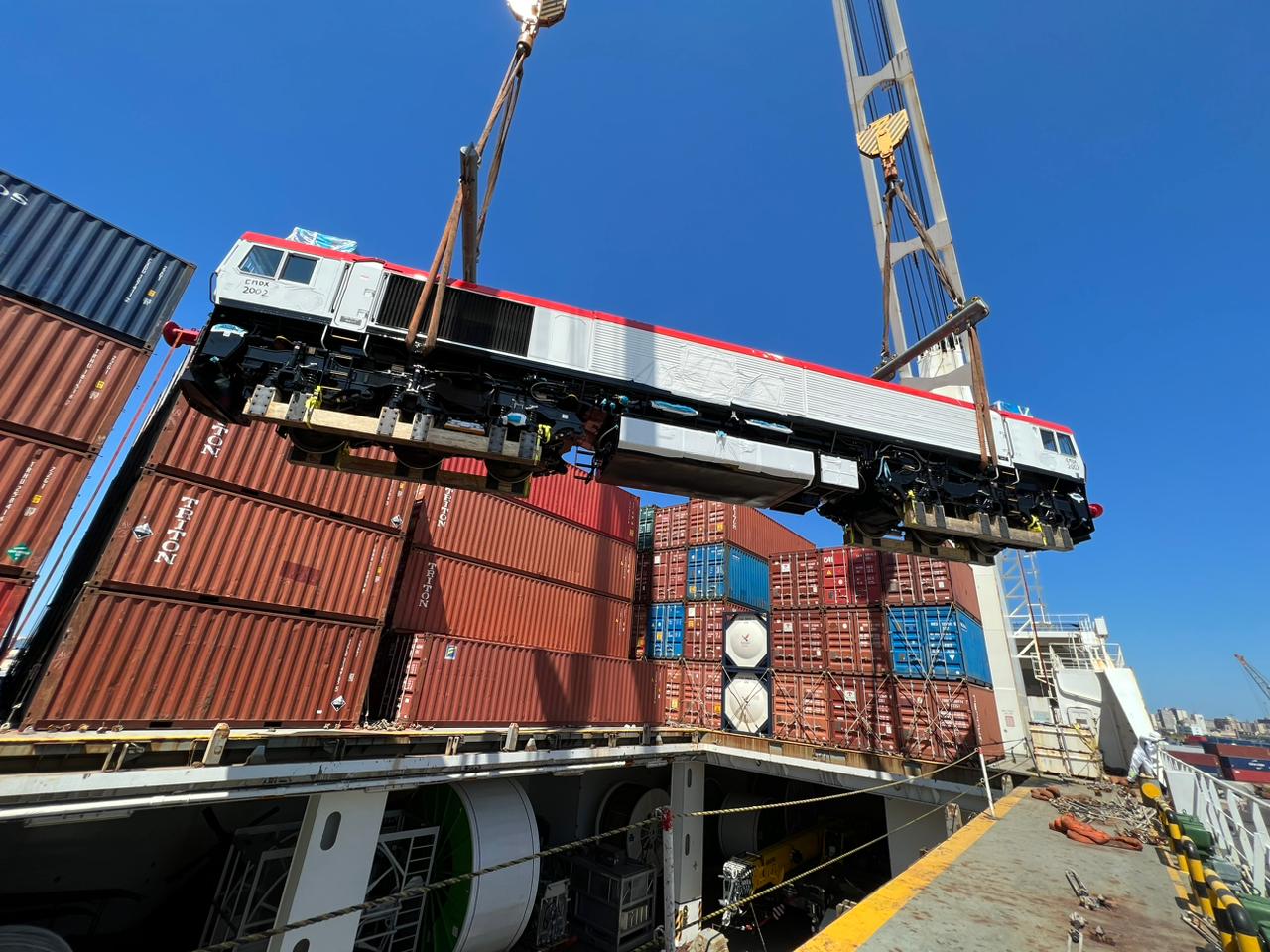
In the field
Operations footage
Heavy lift and project cargo handling from the ground up.
What I watch for
The things that do not show up in the brief
Complex operations generate complex risk. These are the four categories I focus on when I step onto a quay.
Coordination gaps between the vessel crew, terminal operators, and cargo handlers. Each party assumes someone else has confirmed the interface. Nobody has.
Load plan deviations under operational pressure. The cargo does not always arrive in the sequence that was planned. Improvised stowage under time pressure is where structural damage and stability issues begin.
Communication breakdowns at shift change and crew handover. The incoming team inherits assumptions they did not make. If those assumptions are not surfaced explicitly, they carry hidden risk into the next phase.
Undocumented deviations from the approved method statement. Small field decisions accumulate. By the time the operation is flagged for review, the original plan and the actual execution bear little resemblance to each other.
These are not hypothetical risks. They are the operational failures I have seen repeat across ports, cargo types, and vessel classes. Knowing where to look is what makes the difference between catching a problem and writing a report about it.
Services
Three operational mandates
Each engagement is scoped around the operation: what it involves, where the risk sits, and what level of oversight is appropriate.
Port Captaincy
Senior operational presence during complex port calls and cargo operations. Full accountability for coordination between vessel, terminal, and cargo principals. Suitable for operations where the vessel command team needs qualified shore-side support.
Heavy Lift & Project Cargo
On-site supervision for heavy lift and out-of-gauge cargo operations. Review of method statements, coordination with lifting contractors and terminal operators, and real-time decision-making authority during the operation itself.
Safety Superintendent
Independent safety oversight for high-value and high-risk operations. Structured assessment of the operation plan, verification of crew competency and drill compliance, and a documented safety record that stands up to post-incident scrutiny.
Frequently asked questions
Get in touch
Tell me about your operation
If you have a complex port call, a heavy lift, or a cargo operation that needs qualified oversight, reach out directly. I will tell you whether I can help and what that would look like.
Porto, Portugal. Atlantic corridor and international.