
Maritime academy prepares you well for a profession. It does not prepare you for a vessel. That distinction matters more on a pure car carrier than almost anywhere else.
A PCC is not a forgiving first ship. The cargo value is extreme. The fire risk is constant. The operational vocabulary is specific to a vessel type that no academy curriculum covers in the depth the job requires. A graduate who joins a car carrier having only studied the Stability Regulations and STCW fire-fighting modules is not under-qualified by the academy’s standards. They are under-prepared for the first seventy-two hours aboard.
This is not a criticism of maritime education. It is a structural fact. Academy curricula are designed to meet flag state requirements across every vessel type, every route, every cargo category. No programme can drill deep enough on any one type to replace what the vessel itself teaches you. The gap is inevitable. The question is how wide you let it remain before you join.
The First Seventy-Two Hours
The first day on a PCC is operational from the moment you board. The vessel does not pause for orientation. Cargo operations may already be running. The chief officer has a watch rotation to maintain. The bosun does not have time to explain what the car deck hierarchy means at each level of the vessel.
What you need to know immediately: where the muster stations are, what the emergency alarms sound like and what each one means on this specific vessel, where the PPE locker is and what level of protection each task on each deck requires, who the shore superintendent is and how to reach them, and what the quarter ramp is and what it means for cargo operations both in port and at sea.
None of this is in the STCW module. None of it is in the Stability Regulations. All of it determines whether your first week is functional or dangerous.
The Quarter Ramp
The quarter ramp is the most significant piece of cargo-handling equipment on a pure car carrier. It connects the vessel to the terminal, handles the full weight of vehicles loading and discharging, and on most modern PCCs weighs between 120 and 200 tonnes. The ramp angle during cargo operations typically runs at approximately 45 degrees, depending on the freeboard and terminal geometry at the time of operation.
Academy graduates can describe the SOLAS requirements for ramps in general terms. Most cannot identify the quarter ramp by sight on their first approach to a vessel, cannot state the safety parameters for operation in current weather conditions, and cannot describe what a safe working load limit looks like in practice versus on a certificate.
This matters because the quarter ramp is where accidents happen. It is the interface between vessel and shore. Weight distribution errors, ramp angle miscalculation, and communication failures between the cargo officer and the terminal all concentrate here. A cadet who does not understand the ramp before joining has no context for what they are watching during their first port call, and no framework for when something is wrong.
The correct preparation: understand the ramp geometry, the signal system between the officer on watch and the terminal cargo handler, the PPE requirement when working near or on the ramp, and the conditions under which ramp operations are suspended. This is specific knowledge that a thirty-minute vessel orientation should cover, but often does not when the vessel is already in the middle of a port turn.
Car Deck Hierarchy and Operational Vocabulary
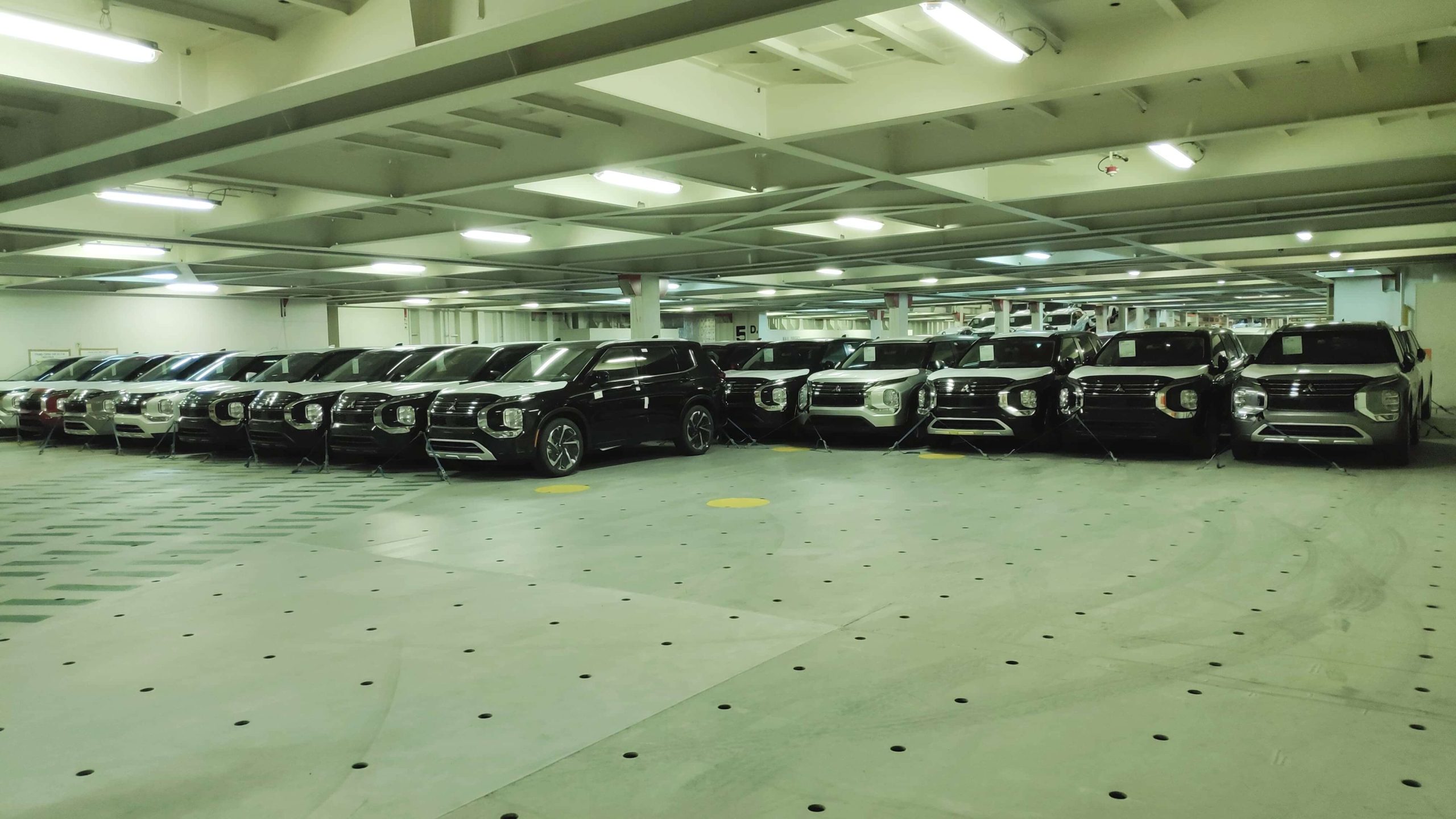
A pure car carrier has multiple decks, each with specific height clearances, ventilation requirements, fire detection zones, and cargo categories. The terminology is vessel-specific. What the chief officer calls “the weather deck,” what the chief mate means when they refer to the “hoistable deck,” what the cargo plan shows as “deck 8” in a given port’s documentation: these are not interchangeable, and a cadet who does not know the difference creates confusion in the middle of time-critical cargo operations.
The fire risk on a PCC is also category-specific. Vehicles with conventional fuel, electric vehicles, vehicles with residual fuel in the tank: each carries a different risk profile and a different fire response. The vessel’s fire plan is specific to deck and cargo category. A cadet who has only studied SOLAS fire detection in general terms does not know where to look first when the alarm sounds, or why the response on deck 4 is different from the response on deck 7.
Operational vocabulary is the entry point to all of this. A cadet who arrives on a PCC able to describe the vessel’s layout, name the decks correctly, understand the cargo plan’s structure, and use the right terminology in communication with the chief officer and the terminal is one who can function in the first port. A cadet who is still mapping new words to old concepts is a liability in a port turn.
PPE by Task, Not by Instinct
Academy training covers PPE in general categories: helmet, safety shoes, hi-vis. On a car carrier in active operations, the PPE requirement is task-specific and deck-specific. Working near the quarter ramp during loading requires a different configuration than working on the weather deck during sea passage. Working in the car deck during loading operations in port requires hearing protection that is not always referenced in the general safety briefing.
The practical gap: a cadet who has been trained to “wear appropriate PPE” but has never seen a task-based PPE matrix for a PCC does not know what “appropriate” means on day one. They will either over-equip (creating its own friction with the crew) or under-equip (creating actual risk). The correct baseline is a vessel-specific PPE matrix by deck and by task, understood before joining.
Emergency Alarms: Vessel-Specific, Not Generic
SOLAS alarm types are standardised. The alarm codes on any specific vessel are not. A PCC has a fire detection system mapped to specific cargo zones. The general alarm, the CO2 release alarm for car decks, and the abandon ship signal have the same signal types across vessels by regulation, but the muster procedures, the role of the cadet in an emergency, and the location of emergency equipment are specific to this ship and this operator.
The preparation for this is not more STCW study. It is vessel familiarisation before arrival. Operators and crewing managers sometimes provide vessel-specific safety documentation in advance of joining. When this is available, read it. When it is not available, request it. The SMS (Safety Management System) documents for a PCC include the emergency procedures and muster duties that academy training can only approximate.
What the Academy Does Teach Well
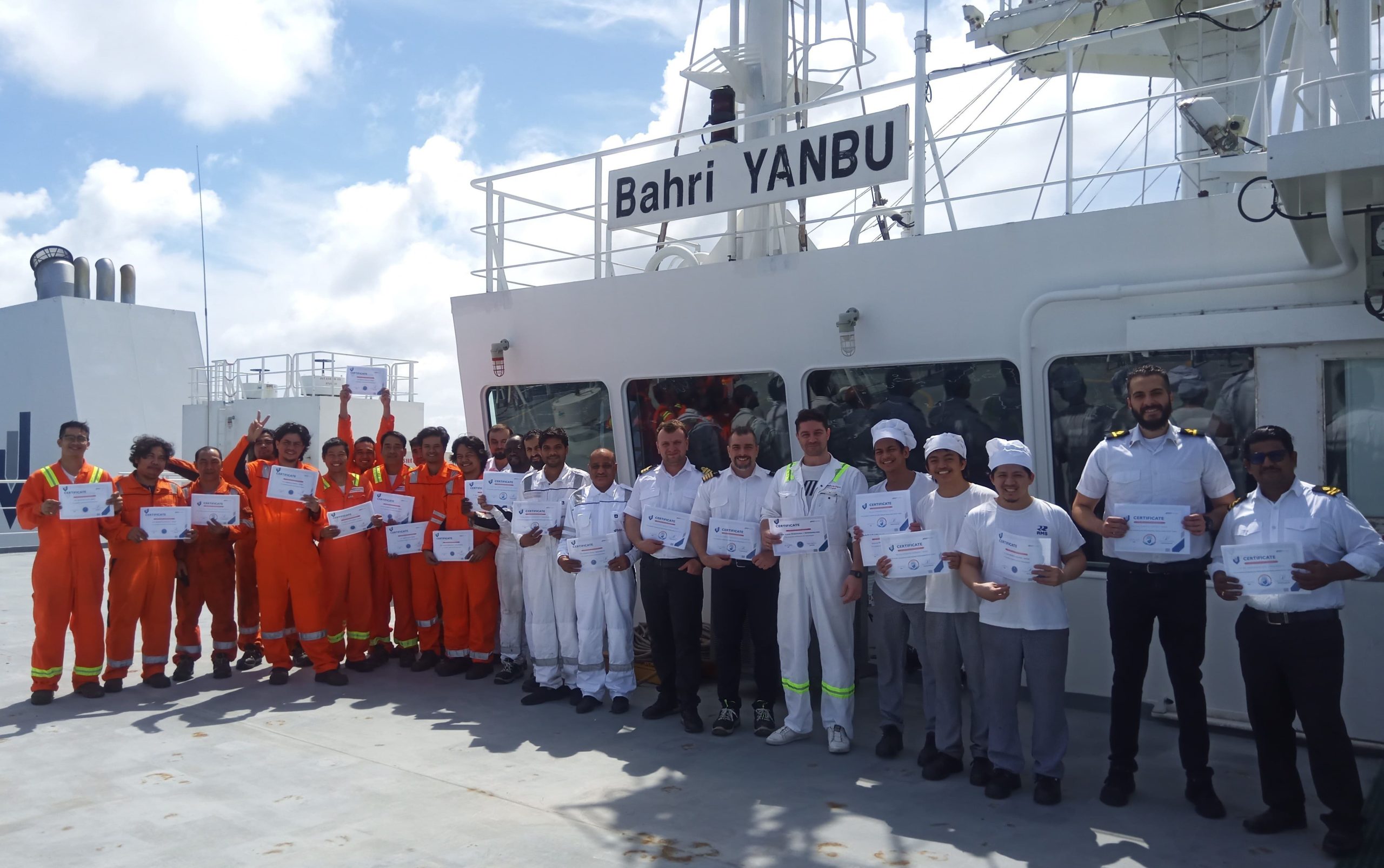
The gap should not be read as a verdict on maritime education. Academy programmes provide the regulatory foundation that no employer can replicate at scale. STCW certification, stability calculations, chart work, meteorology, maritime law: these are disciplines that require structured instruction and examination. The academy is the right place for them.
The problem is when graduates confuse regulatory competence with operational readiness. Passing the stability exam means you can demonstrate the principles. It does not mean you know how a PCC cargo plan interacts with those principles in a specific loading port with a specific cargo sequence and a tide window.
The academy gives you the language of the profession. The vessel teaches you to speak it. The gap between those two is the preparation problem, and it is solvable before you join.
Preparation That Makes the Difference
The graduates who arrive on a PCC ready to function share several characteristics. They have studied the vessel type specifically, not just the general cargo ship module. They know the quarter ramp, the car deck layout, and the cargo plan structure before they step aboard. They have practiced describing the vessel from memory, using the correct operational terminology, until the vocabulary is automatic rather than effortful. They have reviewed the operator’s SMS documents and understood their emergency role before the first muster drill.
None of this requires extraordinary resources. It requires systematic preparation during the period between graduation and joining, when most cadets are either waiting or studying for oral exams that test general competence rather than vessel-specific readiness.
The practical steps: identify the vessel type you are joining as early as possible. Request the vessel’s safety card and emergency muster plan from the crewing manager. Study the PCC cargo plan structure. Learn the ramp geometry and safe working parameters. Map the car deck levels to their correct terminology in your operator’s documentation. Practice explaining each of these out loud until you can do it without checking your notes.
That is not a training module. That is preparation discipline, and it is what separates a cadet who is ready on day one from one who is still catching up at the end of week two.
The Pattern
In mentorship sessions, the gap that comes up most often is not knowledge depth. It is knowledge type. Academy graduates know a great deal about maritime regulations. They know much less about the specific vessel, the specific cargo category, and the specific operational rhythm they are about to enter.
The cadet who closes that gap before joining does not need more years of study. They need a structured preparation period focused on the right vessel type, with someone who has worked on that type and can tell them what actually matters in the first seventy-two hours.
The From Theory to First Watch programme is built for exactly this. Eight to twelve weeks of vessel-specific preparation for maritime academy graduates across all major vessel types, with the outcome being contract placement and first-watch readiness. If you are preparing for your first PCC, or for any first contract, the programme page has the full structure and a direct booking link.