Safety Management

Behaviour-Based Safety & BAPP

A proactive, evidence-driven approach to maritime safety. Focused on the behaviours that precede incidents, not just the incidents themselves.

Most incidents at sea are not equipment failures. They are human ones.

The Challenge


Same vessel.
Different outcome.

The technical systems are in place. The procedures are written. And yet incidents still happen.

Research consistently shows that human factors are involved in the vast majority of maritime accidents. Not because crews are careless, but because unsafe behaviours can become routine without anyone noticing. They accumulate quietly, beneath audits and checklists, until something gives.

Behaviour-Based Safety (BBS) addresses this directly. Rather than waiting for incidents to surface problems, BBS programmes create the conditions for observation, conversation, and correction before anything goes wrong.

The difference between a near-miss and a serious incident is often one behaviour, observed and corrected in time.
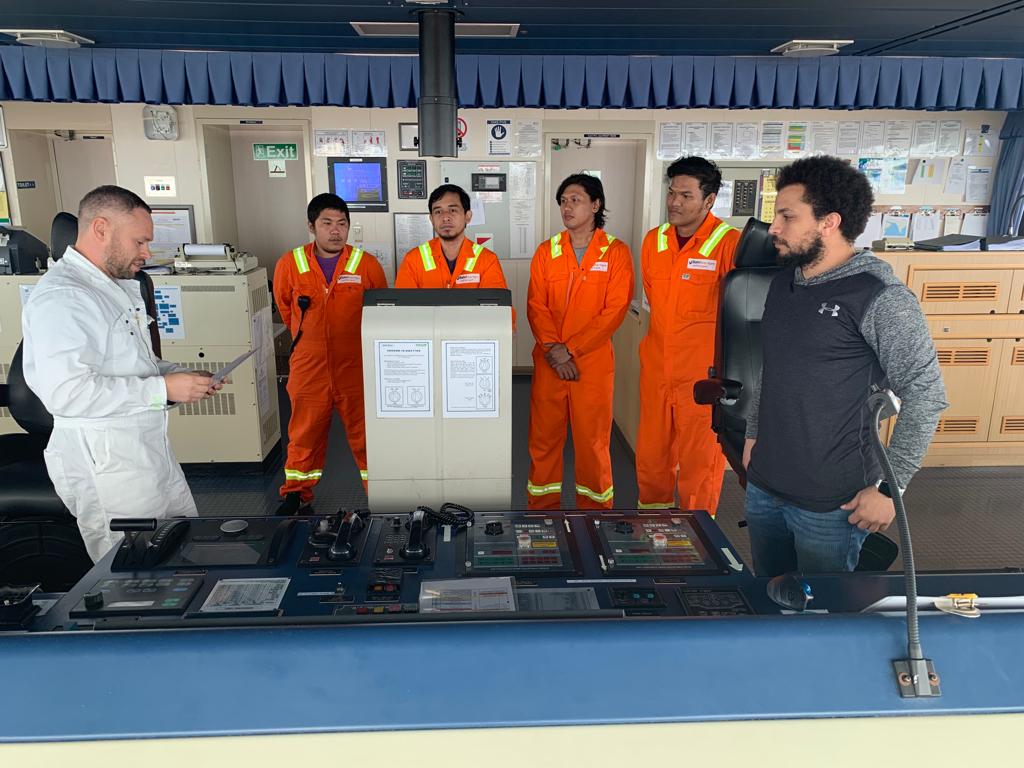
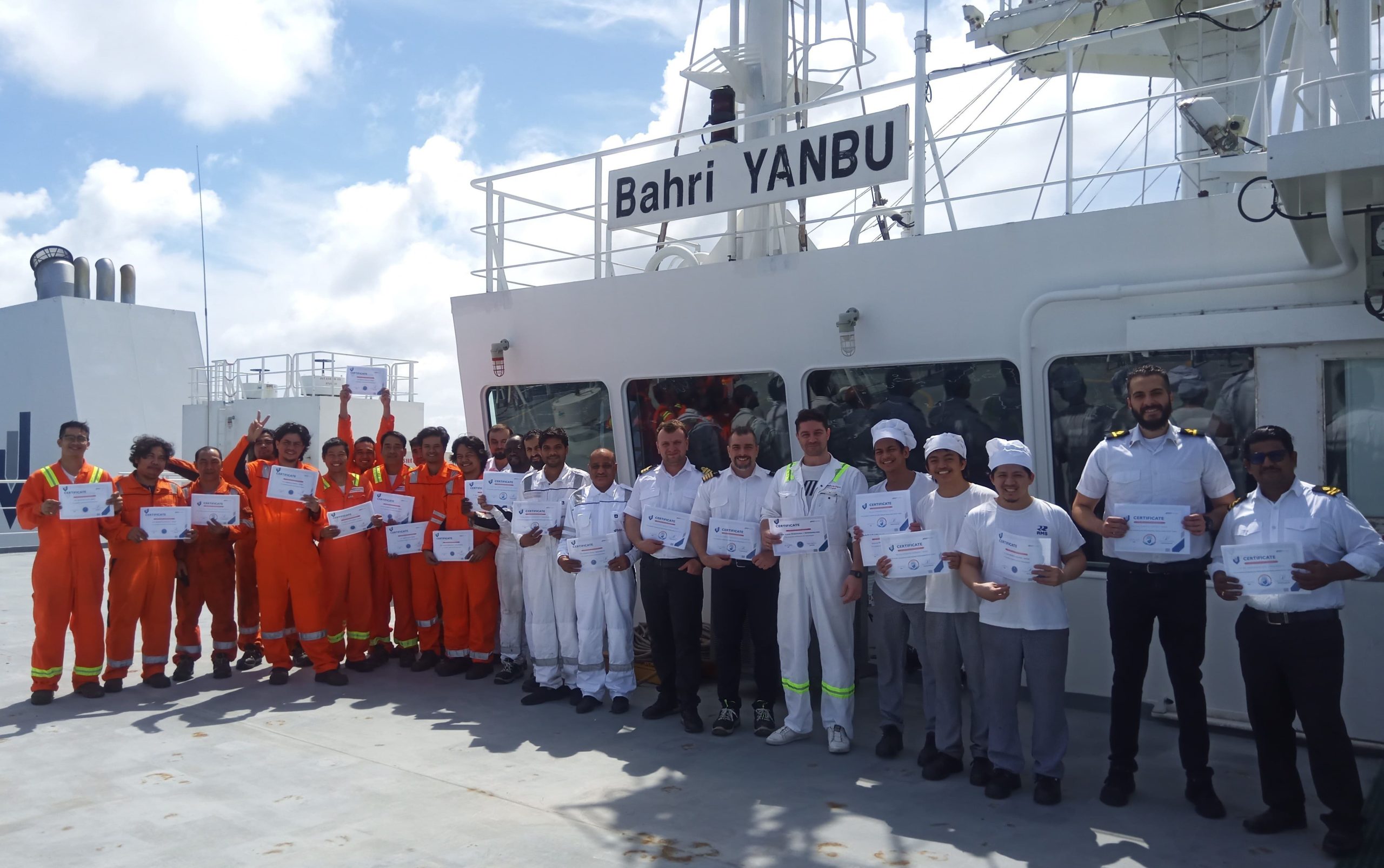
Bridge team safety training

Bridge Team Safety Training

The Approach


What is Behaviour-Based Safety?

BBS is a proactive safety methodology that focuses on observing, analysing, and positively influencing the behaviours of personnel at work. It does not replace existing safety management systems. It gives them teeth.

01

Focus on Human Behaviour

Recognises that human actions are the primary drivers of safety outcomes. Targets the behaviours that matter most.

02

Positive Reinforcement

Safe behaviours are acknowledged and encouraged. Positive feedback is a stronger driver of lasting change than correction alone.

03

Structured Observation

Regular, systematic observation of work as it is actually performed. Not a spot check. A consistent practice.

04

Data-Driven Decisions

Observation data reveals patterns and trends that individual incidents cannot. Decisions are grounded in evidence, not assumption.

05

Crew Involvement

Effective BBS is built with the people doing the work, not imposed on them. Ownership at every level is what makes it last.
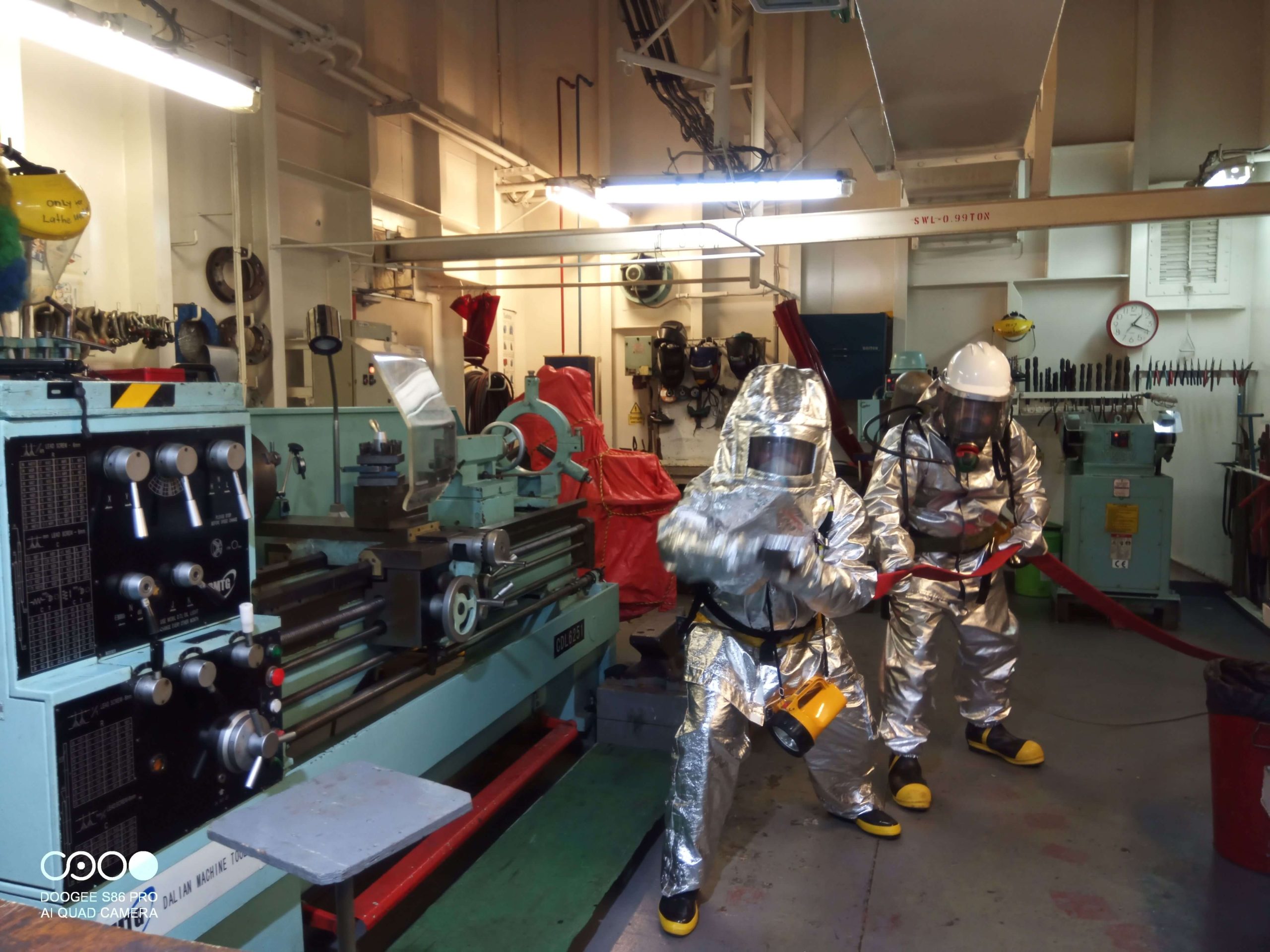
Fire drill assessment

Fire Drill Assessment

Advanced Implementation


BAPP: Beyond the Baseline

BAPP (Behavioural Accident Prevention Process) extends BBS with more sophisticated tools, deeper analysis, and a structured improvement cycle built for demanding operational environments.

Where BBS establishes the foundation of observation and feedback, BAPP adds the layer of root-cause analysis. It asks not just what was observed, but why that behaviour occurred and what systemic conditions allowed it.

Observers under BAPP receive advanced training in human factors, risk perception, and communication. Digital platforms support real-time data collection. Review cycles are built into the programme structure, so improvements compound over time rather than fading after the initial launch.

For companies operating in high-consequence environments, or those seeking to align with evolving ISM Code and MLC 2006 expectations, BAPP provides a framework that holds up under scrutiny.

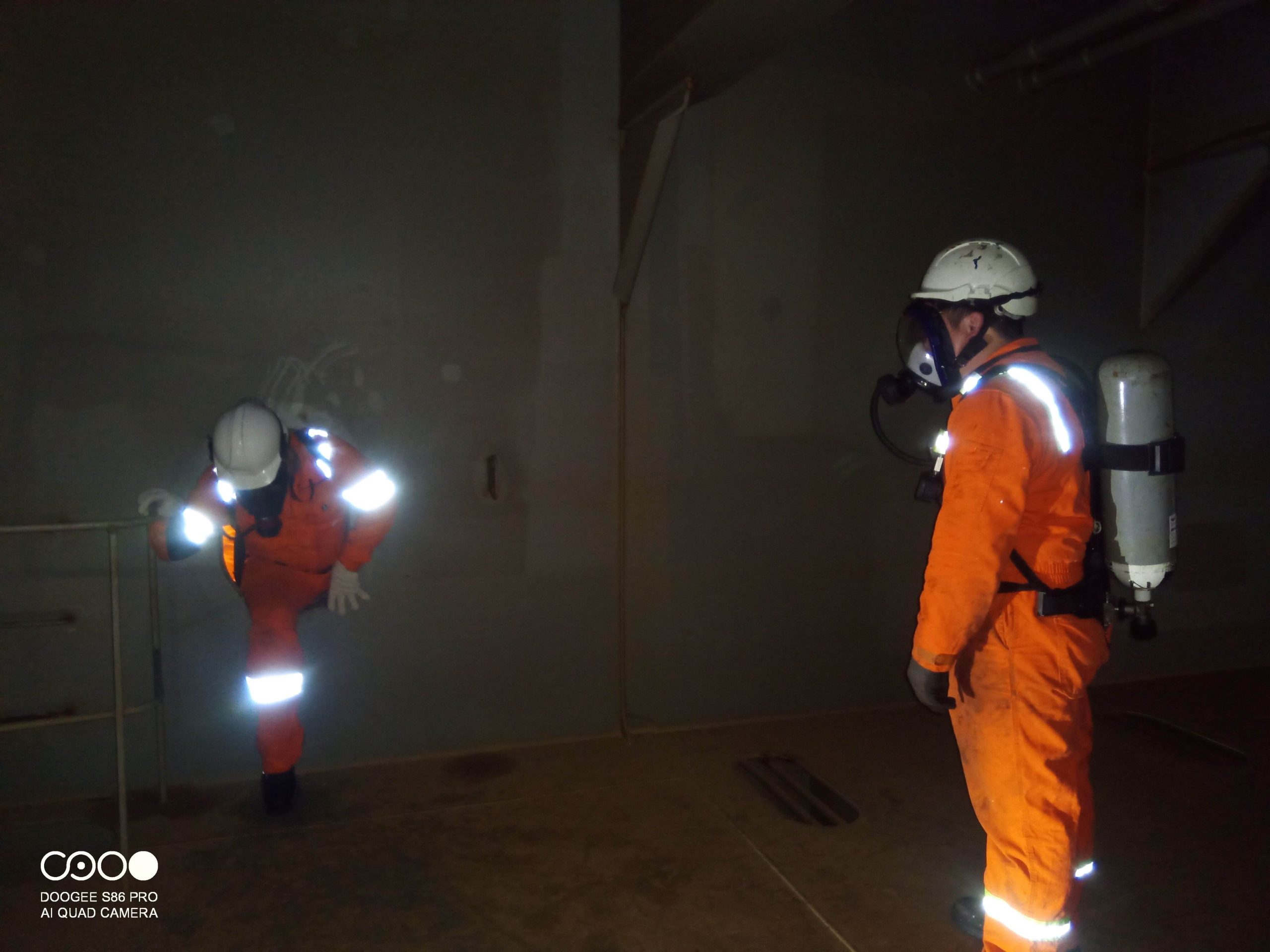
Enclosed space drill
Crew coaching and mentoring assessment
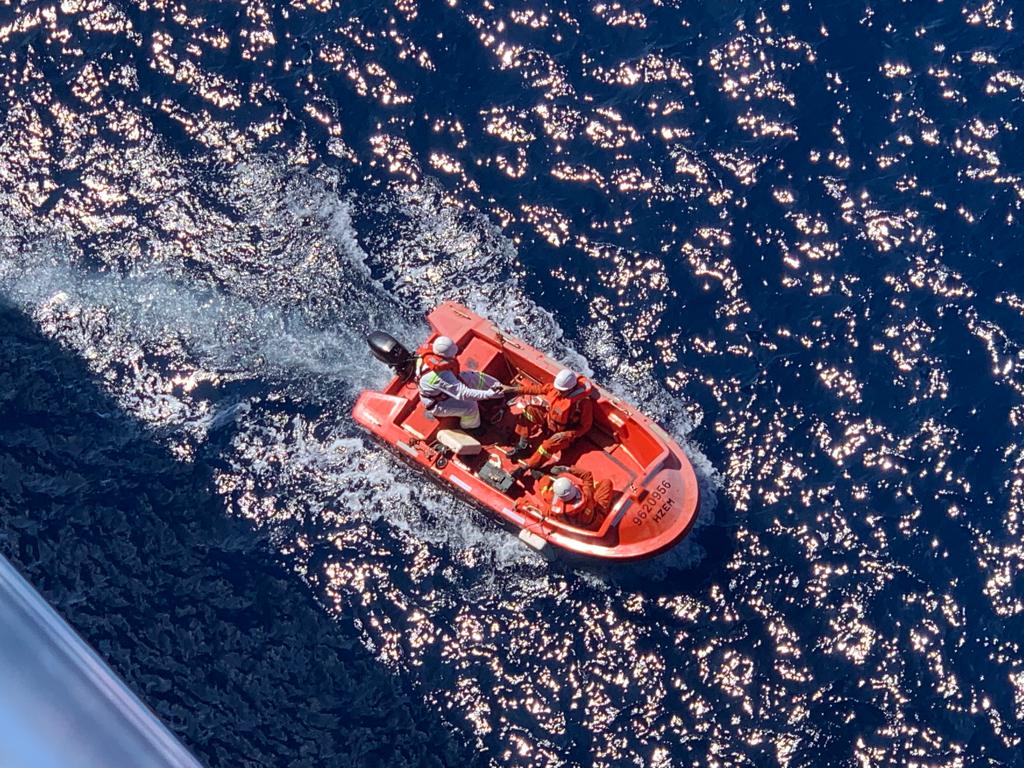
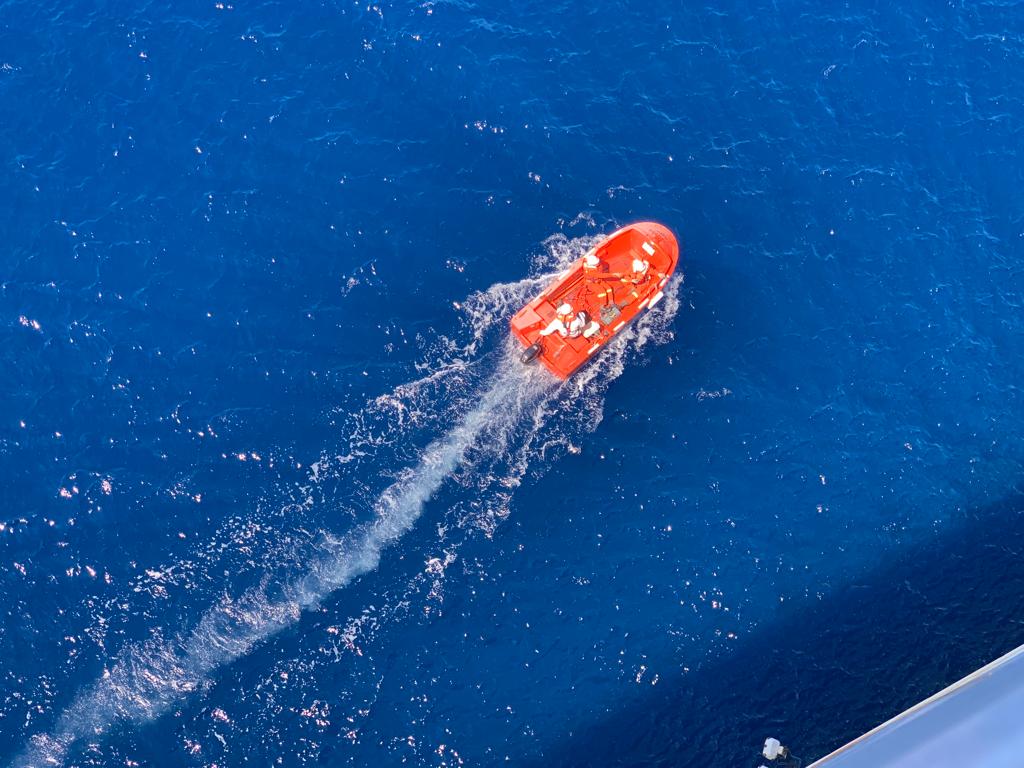
Rescue boat drill crew training
Rescue boat drill

The Process


How a BBS Programme is Built

A structured, nine-step process that moves from initial setup through to a self-sustaining safety culture. Each phase builds on the last.

01

Form a Safety Team

Establish a dedicated team to design, oversee, and champion the programme across departments and ranks.

02

Identify Critical Behaviours

Define and prioritise the unsafe behaviours specific to your operation: PPE compliance, lifting technique, distraction, communication failures.

03

Develop Observation Tools

Create structured checklists and forms that allow observers to record behaviour consistently and without ambiguity.

04

Train Observers

Comprehensive observer training covers technique, human factors, feedback delivery, and the discipline needed for consistent results.

05

Conduct Observations

A regular observation schedule runs across all departments and operational contexts. Observations are structured, not reactive.

06

Provide Feedback

Timely, constructive feedback goes to all crew. Positive behaviours are acknowledged. Unsafe ones are addressed without blame.

07

Analyse the Data

Observation data is reviewed for trends, patterns, and recurring conditions. This is where root causes become visible.

08

Implement Corrective Actions

Targeted interventions address the behaviours and conditions identified in analysis. Actions are tracked to completion.

09

Review and Improve

The programme is reviewed regularly. Findings feed back into the next cycle. A living system, not a one-time exercise.

Why It Matters


What a Well-Run BBS Programme Delivers

The return on a properly implemented BBS programme extends well beyond accident statistics.

Fewer Accidents and Near-Misses

Unsafe behaviours are identified and corrected before they escalate. The incident record improves because the conditions for incidents change.

Operational Continuity

Safety incidents disrupt schedules, compromise cargo, and create significant administrative burden. Reducing them keeps operations running.

Reduced Costs

Lower insurance exposure, fewer repairs, reduced liability. A BBS programme pays for itself in a conservative risk calculation.

Regulatory Alignment

Demonstrates active compliance with ISM Code safety culture requirements and MLC 2006 crew welfare obligations. Stands up to Port State Control scrutiny.

Crew Morale and Retention

Seafarers who feel their safety is actively managed and their input is valued are more engaged, more capable, and more likely to stay.

Long-Term Sustainability

A mature BBS programme becomes self-reinforcing. Safety culture is no longer dependent on a single officer or a pending audit. It is built into daily work.

What others say

From those who have worked with him

★★★★★

“I consistently observed his professionalism, sound judgment and strong leadership in demanding operational environments. Captain Mykola demonstrated exceptional competence in planning and supervising heavy lift and project cargo operations, always with a strong focus on risk assessment, safety and operational efficiency. I confidently recommend Captain Mykola and M.A. Marine Veritas Consulting to anyone seeking knowledgeable and dependable maritime professionals.”

RomkaTechnical Superintendent
★★★★★

“Training never felt like a checklist, but something worth caring about. His sessions were practical and scenario-based, and during BBS discussions he genuinely valued input from junior officers, not just senior staff, which encouraged honest reporting across the crew. A true asset to any team focused on safety.”

Ig MinSecond Officer, VLCC
★★★★★

“His experience and calm demeanour inspired confidence, and the ship was managed efficiently. He prioritized the safety of crew while maintaining clear communication during routine operations and challenging situations. His performance was exemplary, making the journey safe, smooth, and enjoyable.”

Anmol Singh KalsiSecond Officer
★★★★★

“I have no hesitation in recommending this instructor to anyone pursuing a career at sea. He possesses a rare combination of deep maritime expertise and a natural talent for teaching that makes complex material feel accessible and relevant. Throughout the training, he consistently prepared students to handle the responsibilities of any deck position, helping them build both the technical knowledge and the confidence needed to advance from cadet level all the way to command. What made his instruction especially valuable was his background in conducting vessel inspections. This experience allowed him to bring authentic, real-world perspectives into every lesson and offer practical advice that goes far beyond standard theory. He is professional, approachable, and clearly dedicated to his students’ growth. Learning from him was both productive and genuinely enjoyable.”

AlexEx Mate, Managing Partner
★★★★★

“Outstanding, highly experienced professional with a proven track record in Ro-Ro and Heavy Lift cargo operations. Demonstrates exceptional ship-handling skills and technical expertise during complex maritime manoeuvres. Exhibits meticulous attention to detail, a strong commitment to safety, and top-tier leadership qualities.”

AntonChief Engineer
★★★★★

“An outstanding professional with extensive maritime knowledge and exceptional teaching skills. He has the ability to prepare seafarers for any deck position, from Deck Cadet to Master, always explaining even the most complex subjects in a clear and practical way. A great person, an excellent mentor, and a true professional.”

Дмитрий БердышевMaster / Marine Surveyor
★★★

“Having interacted with Capt. Mykola I can clearly say he has an eye for details and the missing links during an operation. The good thing is that he does not just see and bypass them but makes them a learning moment which led to improvement of systems and people.”

Michael Juma3rd Engineer, ConRo

Frequently asked questions

BBS identifies the specific behaviours that lead to incidents at sea and in port operations, then builds a structured process so crews can observe, record, and correct those behaviours before they result in a loss. It works in the layer below the SMS, addressing why people deviate from procedures they know and have approved.
Training delivers information. BBS changes what people actually do when no one is watching. The MAMVC approach is built on real command experience, not a generic shore-side framework applied to ships.
Tankers, chemical carriers, and offshore vessels, where the consequence of human error is highest. Port terminal operations also benefit significantly. The approach adapts to any vessel type.
A diagnostic assessment takes one to two days. A full programme implementation ranges from three to six months, depending on fleet size, existing safety culture, and management commitment.
Yes. BBS does not replace any part of the SMS. It addresses the human layer: why crew members deviate from procedures they know and have agreed to. It strengthens the system rather than competing with it.

Get in Touch


Ready to build a safer operation?

Whether you are starting a new BBS programme or reviewing an existing one, the conversation starts with a clear-eyed assessment of where you are now.

Independent advice. No commercial ties to any supplier or certifying body.

Scroll to Top